01The Problem
What wasn't working
A 400-agent service organization tracked customers across spreadsheets and email, with no single view of a relationship.
02The Challenge
Where it started
The legacy helpdesk had rigid ticket rules that did not match the way the operations team actually worked. Sales data lived in one spreadsheet, support history in another, and neither connected to the billing team. Reporting took days of manual work each month, and managers could not see who was behind on SLA targets until customers complained.
03Research & Planning
Finding the real problem
We shadowed agents across three teams for two weeks and mapped every handoff between support, sales, and billing. The core finding was that agents did not need more screens — they needed one screen that knew the customer. We prioritized the Customer 360 view and SLA visibility above everything else.
04Design
Designing for the people who use it
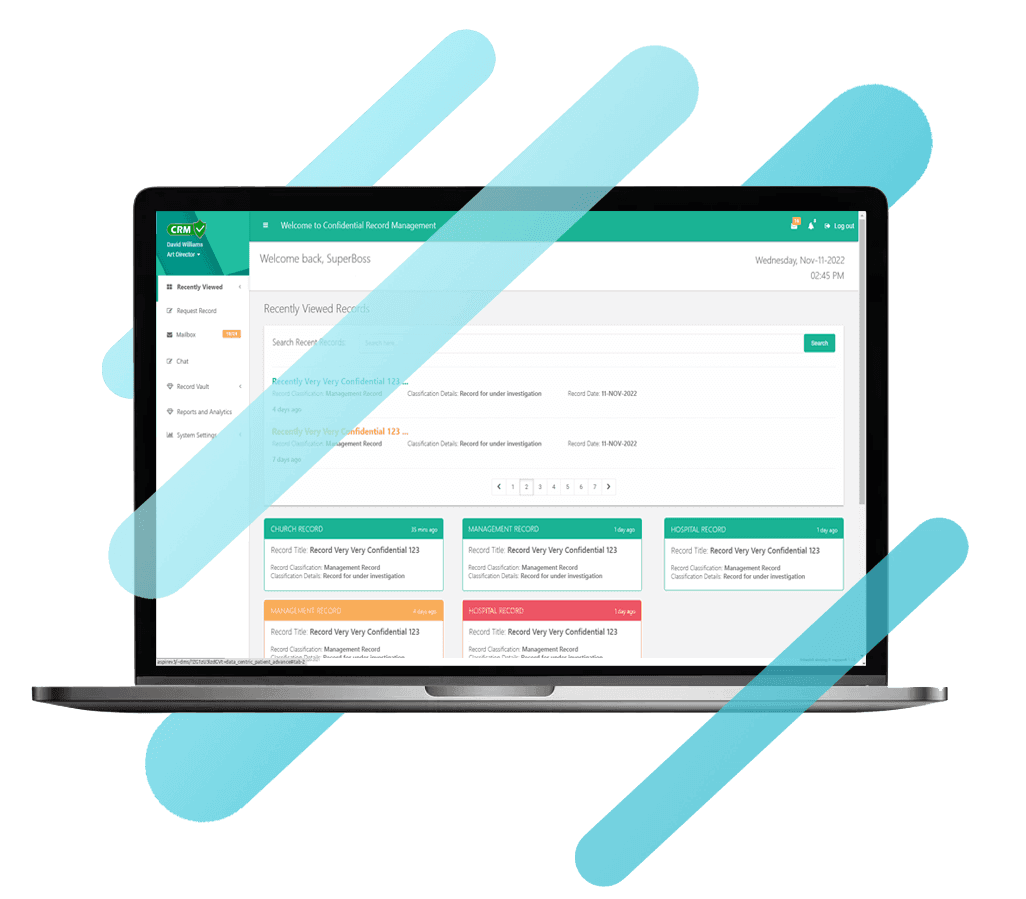
The interface was designed around a left-nav app shell with a single unified customer timeline. Every module (tickets, deals, calls) feeds into the same record. We shipped a clickable prototype and tested it with 10 agents, cutting the number of fields required to log a ticket from 18 to 6.
05Architecture
The technical blueprint
We used a Next.js front end backed by a Node.js API and PostgreSQL. Redis powers the realtime agent queue and presence. The system integrates with the client's PBX and email via webhooks, and all reporting runs on a read replica so daily usage never impacts report generation.
06Development
Building in shippable increments
Delivery followed two-week sprints. The first release after 14 days covered ticketing and the customer record, so the team could start using it immediately. Pipeline, reporting, and the admin console followed in subsequent releases. Automated tests covered the API, and a staging environment mirrored production for UAT.
07Final Solution
What shipped
A centralized CRM with ticket, pipeline, and reporting modules that gives every agent and manager one source of truth.
Nexa now runs support, sales, and billing from one platform. Managers get a live view of workload and SLA compliance, agents get a complete customer timeline, and the reporting that used to take three days now takes minutes. The system replaced the spreadsheet workflow entirely.
08Key Features
What the product does
- Omnichannel ticket inbox (email, chat, phone)
- Sales pipeline with drag-and-drop kanban
- Customer 360 profile with full interaction history
- Real-time agent dashboard and SLA timers
- Custom report builder with scheduled exports
- Role-based access for agents, supervisors, and admins
09Technology
The stack
- React
- Next.js
- TypeScript
- PostgreSQL
- Redis
- Node.js
- AWS