
01The Problem
What wasn't working
A fintech startup needed a subscription billing platform that could handle complex pricing — without building billing from scratch in-house.
02The Challenge
Where it started
Billing software punishes edge cases. The team needed prorations, plan changes mid-cycle, usage-based metering, tax handling, and automated dunning — all while keeping each tenant's financial data strictly isolated. Getting a single invoice wrong destroys trust, so correctness had to come before speed.
03Research & Planning
Finding the real problem
We interviewed 20 founders and finance leads to understand the pricing models they actually needed. Usage-based and hybrid pricing came up most often, so we built the metering engine early. We also benchmarked what merchants expected from a billing portal in terms of clarity and self-service.
04Design
Designing for the people who use it
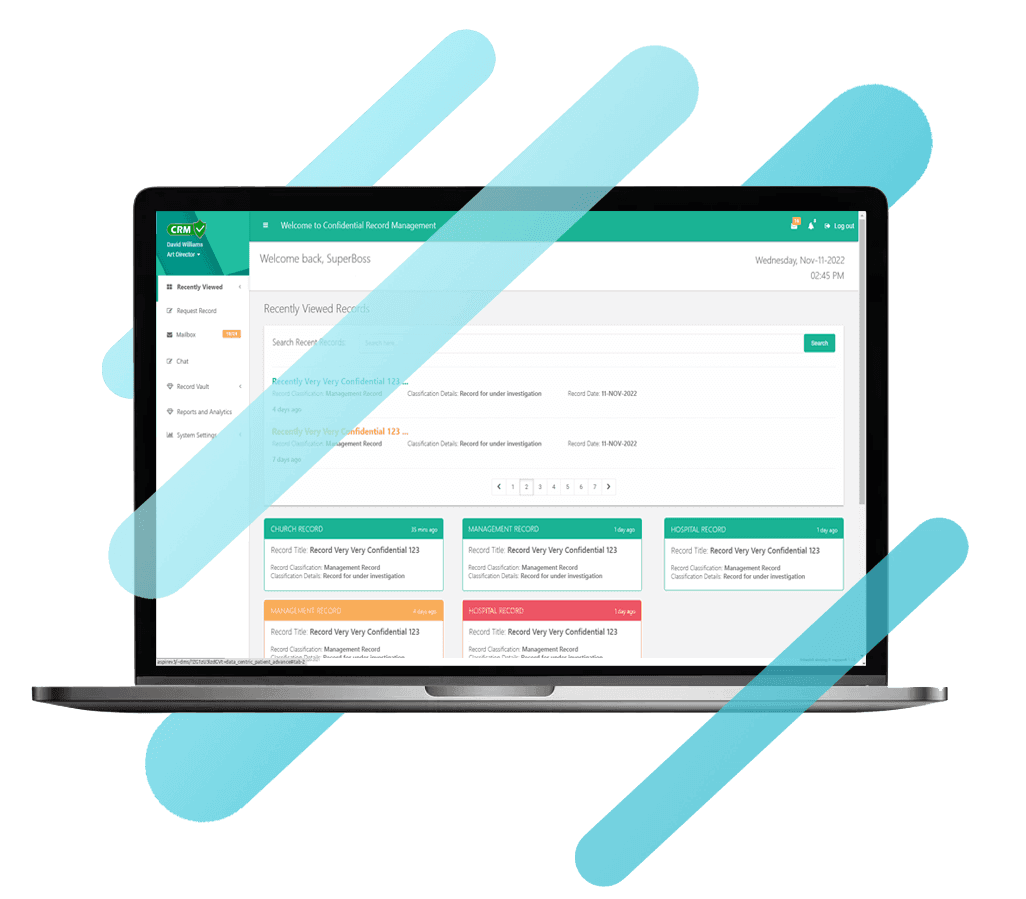
The dashboard design focused on financial clarity: a top-line MRR and churn view, payment health indicators, and a plain-language activity feed. The customer portal used the same design language as the merchant dashboard, so tenants felt it was part of their own product.
05Architecture
The technical blueprint
We built the platform as a Node.js service with PostgreSQL for financial records and Redis for the metering pipeline. Stripe handles payment processing through a thin adapter layer, so it can be swapped if needed. Tenant data is isolated at the database schema level, and every financial mutation is logged for audit.
06Development
Building in shippable increments
The metering and invoicing engine was built first and validated with a closed beta of five merchants. We then opened onboarding gradually, hardening concurrency and idempotency as volume grew. A weekly release cadence let us react to beta feedback on proration rules.
07Final Solution
What shipped
A multi-tenant billing SaaS handling subscriptions, usage metering, and dunning, with a white-labeled customer portal.
LedgerFlow now processes billing for thousands of merchants with automated dunning that has measurably reduced failed-payment revenue loss. The product continues to evolve with the founding team, with us providing ongoing product engineering.
08Key Features
What the product does
- Multi-tenant architecture with isolated billing data
- Subscription, one-time, and usage-based pricing models
- Automated invoicing and dunning with retry logic
- Customer portal for invoices, payment methods, and plans
- Revenue analytics and MRR/ARR dashboards
- Webhooks and API for downstream accounting
09Technology
The stack
- React
- TypeScript
- Node.js
- PostgreSQL
- Stripe
- Redis
- AWS